

The Yellow Notebooks explores the practice, integrity, and impact of investigations, and how evidence can be used to advance accountability.
An investigation is not simply the collection of information. It is the work of turning harm into evidence, evidence into findings, and findings into questions that powerful actors would rather leave unanswered. At its sharpest, investigation looks beyond damage itself to the decisions, incentives and systems that made it possible — and to the points at which harm could have been stopped, but was not.
The challenge is not only to establish that harm occurred, but to understand why well-documented harm continues, who has the power to prevent it, who is complicit, and why consequence and remedy remain so elusive. With one aim: to safeguard human rights.
The Accountability Chain
Grounded investigations
↓
Credible, usable evidence
↓
Public understanding, advocacy, and leverage
↓
Decisions, enforcement, and remedy
Each link matters. None is automatic.
What we do
Stories
Field realities, case experience, and reflection from investigative work.
Conversations
Dialogue across communities, civil society, journalism, research, funding, technology, and institutions.
Resources
Practical tools, methods, and lessons on evidence, security, ethics, technology, funding, and impact.
The change we want to support
F
R
O
M
Isolated investigations
Short-term outputs
Remote abstraction
Fragile funding
●────────▶
●────────▶
●────────▶
●────────▶
Connected investigative ecosystems
Long-term learning and consequence
Evidence grounded in lived reality
Sustained, flexible support
Human rights investigations “help identify perpetrators and protect victims, or contribute to establish both a chain of accountability and vehicles to deliver justice and redress to the victims. They aim at influencing positive change in laws and practice. They draw attention to serious violations and accountability gaps, and help mobilize action nationally and internationally to grant justice to victims. The ultimate goal of this and other human rights work is preventing abuses or, at a minimum, mitigating and stopping violations when they do occur. “
Navi Pillay, former United Nations High Commissioner for Human Rights and former judge at the International Criminal Court
Our Team
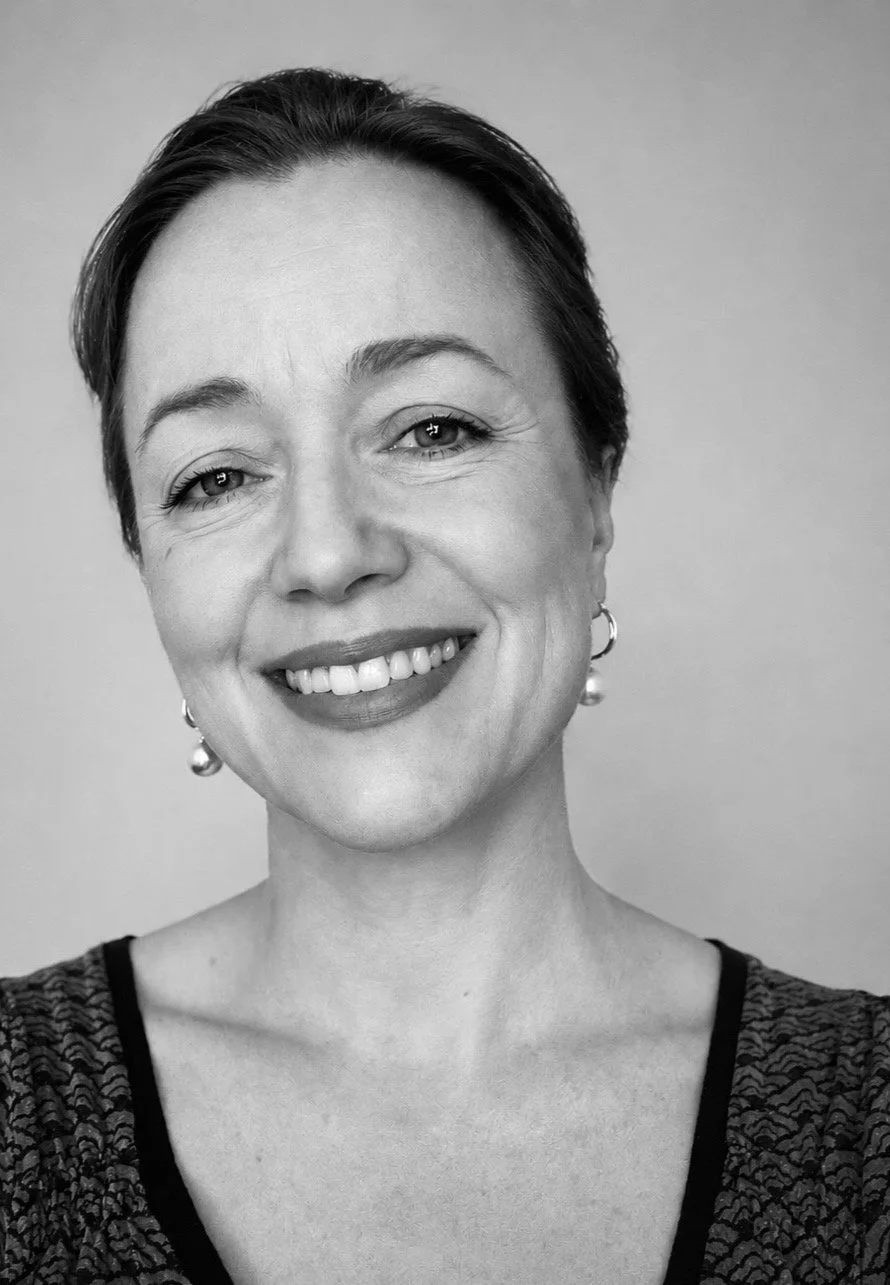
Alice P. Blondel
Alice Blondel is an investigator, executive and advisor with more than twenty years of experience across civil society, international institutions, and the private sector. Her career has focused on exposing and addressing the systems that enable structural violence and conflict. Her work has contributed to international policy action and war crimes prosecutions.
She has led business and human rights organisations and multidisciplinary teams, built investigative and advocacy programmes, and advised governments, companies and international organisations. Her work is shaped by a central conviction: the accountability gap is not as simple as the narrative that there is too little information, too late, or too few investigations. It is that well-documented harm too often carries little consequence for those who enable, tolerate, or profit from it, and rarely any real remedy for those harmed. With significantly decreased funding for human rights investigations, increased SLAPPS, a triple planetary crisis, and civic space under threat, those who can, including funders, must protect, enable, and push for real grounded investigations, accountability and remedy.
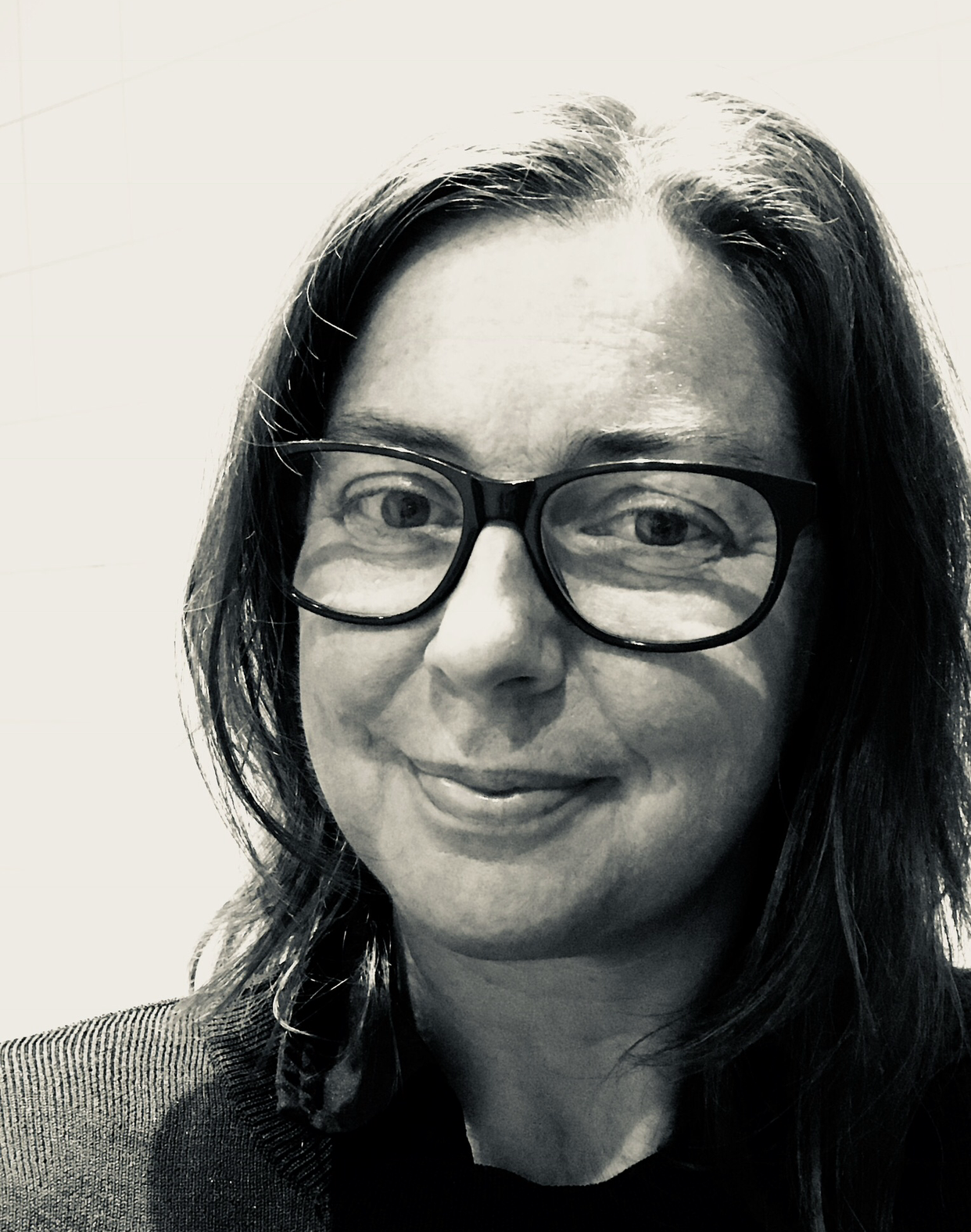
Ulrika Sandberg is an impatient human rights researcher and advisor with 20+ years of working on the topic of business and human rights. In the early 2000’s she was researching oil extraction in Nigeria and testing to link responsibility for human rights abuses with companies actions and inactions prior to the existence of the UN Guiding Principles on Business and Human Rights (UNGPs). Today she applies the UNGPs on a daily basis in her current professional role. In 2026 we have come some way as companies’ respect for human rights are written into laws in some countries. At the same time she still remembers the strong smell of oil residue on the local farmer’s farmland with its oil palms, and she is extremely frustrated that clean-up is not happening and neither is any sort of remediation for so many affected communities in the Niger Delta. Her worry is who will do the investigations to disclose what is happening, or not happening, on the ground with decreasing independent research and investigations?
You can read more on her Linkedin profile.